
Photo by Battenhall on Unsplash Elon Musk, the world’s richest man, recently proposed a new idea: a subscription-based version of Twitte...
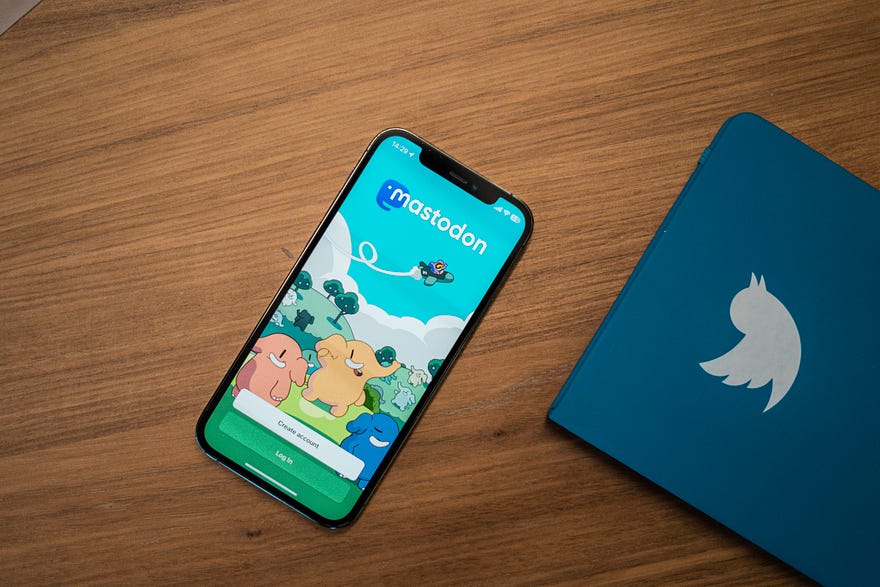
Elon Musk, the world’s richest man, recently proposed a new idea: a subscription-based version of Twitter with no ads. His proposal has sparked debate among Twitter users, some of whom are asking questions about the viability of such a system.
In this article, we will explore the potential of Musk’s proposal and examine the pros and cons of a subscription-based Twitter.
First, let’s look at the potential benefits of a subscription-based Twitter. Without ads, users would be able to focus more on their conversations and less on the distracting noise of ads. Additionally, users would be able to access more features and customization options. This could make Twitter more enjoyable and potentially increase user engagement. Furthermore, a subscription-based model could provide more revenue for Twitter, potentially allowing the platform to invest in new features and improvements.
However, there are some potential downsides to a subscription-based Twitter. First, it could create a financial burden for some users who can’t afford the subscription. Additionally, it could lead to increased censorship of content, as Twitter could choose to censor certain topics in order to maintain a “family-friendly” platform. Finally, it could lead to increased attention from hackers, as hackers could target the larger user base that would likely result from a subscription-based system.
Ultimately, Musk’s proposal of a subscription-based Twitter raises some interesting questions.
Would a subscription-based system create more revenue for Twitter?
The potential introduction of a subscription-based system on Twitter has sparked debate among Twitter users, some of whom are asking questions about the viability of such a system. Would a subscription-based system create more revenue for Twitter? This is a question that should be carefully considered before making any changes to the current system.
On the one hand, a subscription-based system could potentially create more revenue for Twitter. By charging users for access, Twitter could potentially increase its revenue stream. Additionally, a subscription-based system could also lead to increased user engagement, as users would be more likely to use the platform if they are paying for it.
On the other hand, there are some potential downsides to a subscription-based system. For one, it could create a financial burden for some users who can’t afford the subscription. Additionally, it could lead to increased censorship of content, as Twitter could choose to censor certain topics in order to maintain a “family-friendly” platform. Finally, it could lead to increased attention from hackers, as hackers could target the larger user base that would likely result from a subscription-based system.
Ultimately, it is important to consider the potential benefits and drawbacks of a subscription-based system before making any changes. The potential revenue gains should be considered alongside the potential risks of increased censorship and vulnerability to hackers. Only then can Twitter users make an informed decision about whether or not a subscription-based system is the right choice for the platform.
Would it lead to increased user engagement?
The introduction of a subscription-based system on Twitter could potentially lead to increased user engagement. For many users, the idea of paying for an ad-free experience could be enticing, as it could provide them with more freedom to focus on conversations without being constantly bombarded with ads. Additionally, users could also potentially access more features and customization options, which could make Twitter more enjoyable and engaging.
However, there are some potential downsides to a subscription-based system. For one, it could create a financial burden for some users who can’t afford the subscription. Additionally, it could lead to increased censorship of content, as Twitter could choose to censor certain topics in order to maintain a “family-friendly” platform. Finally, it could lead to increased attention from hackers, as hackers could target the larger user base that would likely result from a subscription-based system.
Ultimately, the introduction of a subscription-based system on Twitter could lead to increased user engagement, but it could also lead to some unintended consequences. It is important to consider all of the potential implications before making any changes to the current system.
Would it lead to increased censorship?
The potential introduction of a subscription-based system on Twitter has sparked debate among users, some of whom are questioning the potential implications of such a system. Would a subscription-based system lead to increased censorship? This is a question that should be carefully considered before making any changes to the current system.
On the one hand, a subscription-based system could potentially lead to increased censorship of content. Twitter could choose to censor certain topics in order to maintain a “family-friendly” platform, which could limit the freedom of expression of some users. Additionally, a subscription-based system could be used to incentivize certain types of content, such as more “positive” posts, while discouraging others.
On the other hand, there are some potential upsides to a subscription-based system. For one, it could create a financial burden for some users who can’t afford the subscription. Additionally, it could lead to increased user engagement, as users would be more likely to use the platform if they are paying for it. Finally, it could also lead to increased protection from hackers, as Twitter could invest more money into security measures due to the additional revenue from subscriptions.
Ultimately, it is important to consider the potential benefits and drawbacks of a subscription-based system before making any changes. The potential revenue gains should be considered alongside the potential risks of increased censorship. Only then can Twitter users make an informed decision about whether or not a subscription-based system is the right choice for the platform.
These are all questions that will need to be considered before such a system can be implemented. At this point, it remains to be seen whether Musk’s proposal will be implemented and, if so, how successful it will be.


No comments
Note: Only a member of this blog may post a comment.