
As we all know, flexibility is an important aspect of physical fitness, allowing us to move freely and easily without pain or discomfort. ...
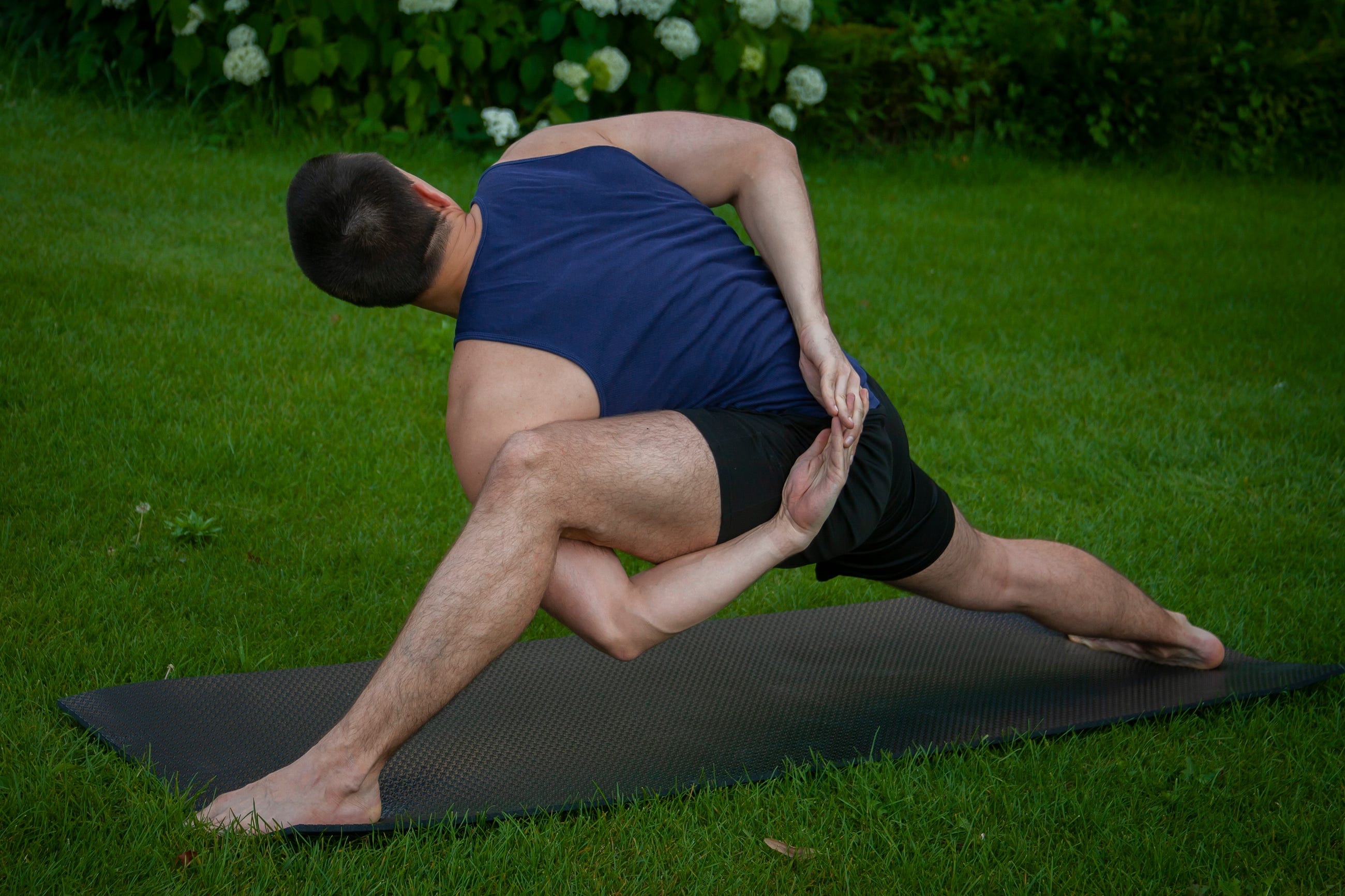
As we all know, flexibility is an important aspect of physical fitness, allowing us to move freely and easily without pain or discomfort. But when it comes to improving flexibility, many people are left wondering: is stretching or resistance training the better option? The truth is, both methods have their own unique benefits and it's important to understand the difference between them to make an informed decision.
Let's start with stretching. Traditional stretching, such as holding a static stretch for a certain period of time, is often recommended as a way to improve flexibility. This method works by passively lengthening the muscles and tendons, allowing for an increase in range of motion. Studies have shown that regular stretching can lead to improvements in flexibility, with some research even suggesting that it may help to reduce muscle soreness and improve athletic performance.
On the other hand, resistance training, such as weightlifting, is often associated with building muscle mass and strength. However, it can also be an effective way to improve flexibility. This is because resistance training leads to an increase in muscle size and strength, which in turn can lead to an increase in range of motion. Additionally, resistance training has been shown to improve bone density and overall physical function, making it a valuable addition to any fitness routine.
So, which is better for flexibility? The answer is, it depends on your goals and preferences. Stretching is a great option for those looking to improve flexibility in a specific area, such as the hamstrings or shoulders. However, resistance training can be a more well-rounded option, providing benefits for both flexibility and overall physical function.
It's important to note that stretching and resistance training are not mutually exclusive, and it is possible to combine both approaches to achieve optimal results. For example, incorporating stretching exercises into your resistance training routine can help to improve range of motion and reduce the risk of injury.
In conclusion, stretching and resistance training both have their own unique benefits when it comes to improving flexibility. Understanding the differences between them will help you to make an informed decision about which approach is best for you, whether that be a combination of both or a focus on one method. Remember to always consult with a health professional before starting any new exercise program.
Perspective from a physical therapist


No comments
Note: Only a member of this blog may post a comment.