
I often find myself contemplating the many ethical considerations that come with the integration of AI in the workplace. With the rapid adva...
I often find myself contemplating the many ethical considerations that come with the integration of AI in the workplace. With the rapid advancement of AI, it is important to consider the impact it will have on our jobs, our relationships with our colleagues, and the future of work as we know it.
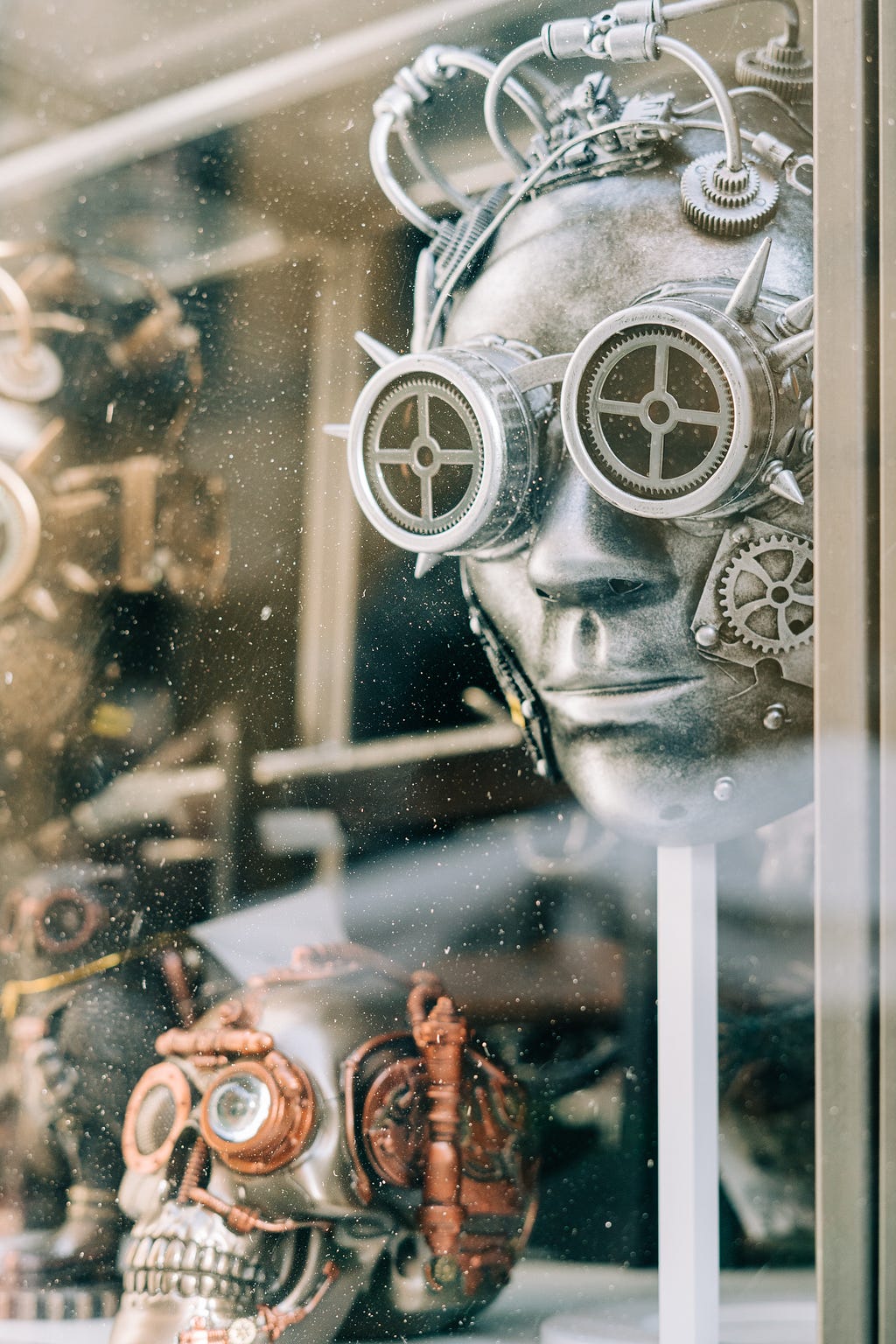
Have you ever stopped to think about how AI is changing the way we work?
As AI takes on more tasks, what will happen to the jobs that once belonged to human workers? And as AI continues to advance, will it eventually become the dominant force in the workplace, leaving humans behind?
These are important questions to consider as AI becomes increasingly integrated into our daily lives. But before we delve into the ethics of AI in the workplace, let’s first examine what AI is and how it works.
AI, or artificial intelligence, refers to the ability of machines to perform tasks that normally require human intelligence. This includes things like learning, problem solving, and decision making. AI is already being used in the workplace in a variety of ways, from automating manual tasks to providing insights and recommendations for businesses.
One of the biggest ethical considerations of AI in the workplace is the impact it will have on jobs. As AI takes on more tasks, there is a real concern that it will replace human workers and lead to mass unemployment. While it’s true that AI has already had an impact on certain jobs, it’s also true that it has created new jobs and opportunities.
For example, as AI automates manual tasks, it frees up human workers to focus on more strategic, creative, and higher-value tasks. This can lead to increased job satisfaction, as well as higher salaries and better job security for human workers.
But what about the jobs that AI can perform better than humans? In some cases, AI may be able to perform certain tasks more accurately, more quickly, and more cost-effectively than human workers. This could lead to job losses, as companies opt to replace human workers with AI.
So, how do we balance the benefits of AI with the potential harm it could cause to human workers? This is where ethics comes into play.
One approach is to ensure that AI is developed and deployed in a responsible and ethical manner. This includes things like protecting workers’ rights, promoting transparency and accountability, and ensuring that AI is used in a way that benefits society as a whole.
Another approach is to focus on reskilling and upskilling human workers so that they can take on new roles and tasks as AI continues to advance. This could include things like offering training and education programs, as well as supporting workers in their transition to new jobs.
The conclusion,
The integration of AI in the workplace brings with it a number of ethical considerations. From the impact on jobs, to the protection of workers’ rights, to the need for transparency and accountability, it’s important that we approach the integration of AI in a responsible and ethical manner. By doing so, we can ensure that AI benefits both businesses and society as a whole.
So, what do you think? How do you see AI changing the way we work in the future? And what steps can we take to ensure that AI is used in a responsible and ethical manner in the workplace?
What is the ethical considerations of AI in the workplace? was originally published in The New Tech on Medium, where people are continuing the conversation by highlighting and responding to this story.


No comments
Note: Only a member of this blog may post a comment.