
Making use of solar energy is not something that’s new. You’re likely well-acquainted with it, and maybe have someone in your life who has a...
Making use of solar energy is not something that’s new. You’re likely well-acquainted with it, and maybe have someone in your life who has applied solar architecture or solar thermal electricity.
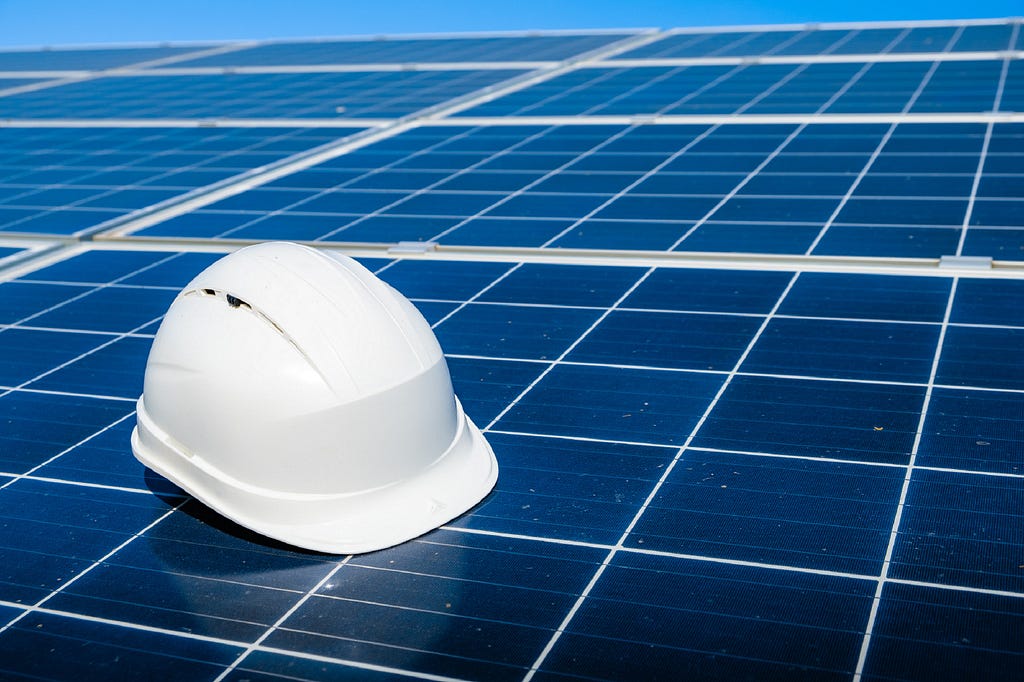
There are a plethora of solar businesses that strive to make the environment a more eco-friendly one. However, what the world needs isn’t just another one of these companies, but instead solar firms dedicated to not only helping the atmosphere and lessening carbon dioxide emissions but also making solar more appealing and simpler.
Yale Professor Kenneth Gillingham’s research revealed that solar installation decisions are less influenced by a person’s wealth, environmental views, or politics and more by the solar adoption rates of their neighbours. Despite this, many individuals are still undecided about getting solar for themselves.
I had the chance to converse with the executive staff at SVEA Solar, including Erik Martinson (CEO), Nolan Gray (COO), and Bjorn Lind (President), about the reasons why plenty of people are averse to embracing this technology, and the major advances that have been and still are being implemented in the solar industry.
Streamlining Procedures
Introducing solar technology to the typical consumer is far from a simple endeavour. It’s not as straightforward as buying an item off the shelf at the local hardware or electronic store and then mounting it on your roof. Rather, the process is complex with paperwork, delays, computations and designs, and may involve submitting permits or other applications. Moreover, the customer usually has the responsibility of managing the whole procedure — liaising with the installer, the provider, and the government.
Modernizing the long, cumbersome steps of transitioning to solar is indispensable. To illustrate, using solar software to compute potential savings and costs through satellite imagery, managing the customer’s permits, offering one-day installations, and providing clear, visual content to make solar power more comprehendible can all be helpful.
A heightened allure of the outside of a building can be achieved by making certain adjustments.
Apart from being easier, solar has to be more attractive. According to Professor Gillingham’s research, the amount of people who switch to solar is significantly impacted by if their neighbours have done so. Yet, if this switch means a decrease in the aesthetic of the properties, then this wish is greatly diminished.
As the need for more visually appealing solar rises, major companies such as Panasonic and Tesla have invested in solar roofing and window films. This is a significant step forward. However, according to the Solar Action Alliance, these types of technologies, while revolutionary and attractive, are not as potent as solar panels and the payback period is more than double. This does not mean that they are a bad purchase, inefficient, or won’t offer cost-savings in the future, but rather that these benefits can be expected in five to ten years.
The design of your solar roof should not come off as something out of a science fiction movie, however, it should offer tremendous savings and be a worthwhile investment. Think about using conventional solar panels on sections of the roof that are not visible, and solar tiles in the other areas.
Minimal to No Need for Upkeep
Every day, the technology behind solar power is advancing. A major perk to having solar panels is that they require minimal upkeep after they are set up. Newer models are made to endure any kind of climate, which means homeowners don’t have to worry about their panels until they get their lowered energy bill. To give extra comfort, some solar companies even provide lengthy or lifelong warranties.
Innovations in Solar Power
Ground-mounted solar energy has been a go-to for those wary of their home’s aesthetic, particularly in recent years with tracking mount technology which allows the panels to adjust to the sun’s position in the sky, thus maximizing energy savings for the homeowner. Solar in windows and roofing is another option for clean energy.
MIT Professor Jeffrey Grossman and his research team have been working hard to come up with alternatives for solar storage, including solar thermal fuels (STFs). STFs operate similarly to a battery, capturing the sun’s energy when stored, and then being able to release it on demand.
In the past few years, the development of solar panel technology has seen several advances — ranging from solar water purifiers and watches to solar roads and batteries. Solar is more efficient now than ever before, and the solar market is transitioning from a group of “early adopters” to the “early majority”.
Beginning with the Early Adopters, and leading up to those in the Early Majority,
If opting for solar power was more accessible than paying for electricity and didn’t make your residence look like it was about to take off into the universe, the number of people eager to take on the technology would be much larger — regardless of if they wanted to support the environment or were convinced of climate change.
SVEA is one of the firms that is making solar energy more attractive and simpler to acquire. This has caused a surge in activity and enthusiasm. To really make a difference for the environment, the solar energy industry has to keep advancing with the aim of enhancing convenience and appearance, such as with eye-catching set-ups, quick savings estimations, and effortless customer experiences that people will want to spread to their contacts.
Three Ways Solar Technology Is Increasing Demand was originally published in The Technology on Medium, where people are continuing the conversation by highlighting and responding to this story.


No comments
Note: Only a member of this blog may post a comment.